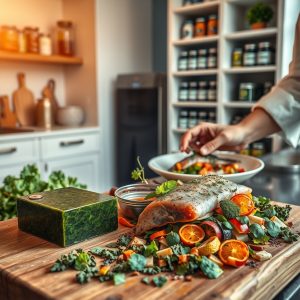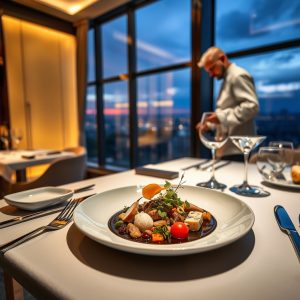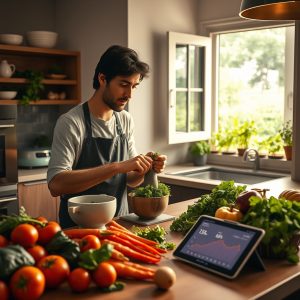
The Bold New Frontier of Global Fusion Cuisine: Where Smoked Chili Crisp Meets Molecular Gastronomy
In the ever-evolving landscape of modern gastronomy, the boundaries between cultures, techniques, and ingredients are dissolving faster than ever. What was once considered exotic or niche is now finding its way onto plates and into glasses in the most unexpected ways. At the heart of this culinary revolution lies global fusion cuisine—a movement that doesn’t just borrow flavors but reimagines them, blending tradition with innovation in ways that challenge our palates and expand our culinary horizons. And when you add ingredients like smoked chili crisp or techniques from molecular gastronomy, the result is nothing short of a flavor explosion.
The Rise of Global Fusion: More Than Just a Trend
Global fusion cuisine isn’t new, but its current iteration is more daring and deliberate than ever. Chefs and home cooks alike are no longer content with simply combining two cuisines; they’re deconstructing, reinterpreting, and elevating dishes by infusing them with unexpected elements. Think of a classic Italian risotto reimagined with Japanese dashi broth and topped with a dollop of smoked chili crisp for a smoky, spicy kick. Or consider a Mexican tlayuda (a crispy tortilla) transformed into a vessel for Korean bulgogi and a drizzle of fermented probiotic kimchi sauce. These aren’t just fusion dishes—they’re statements.
The driving force behind this movement is a generation of diners who crave authenticity but aren’t afraid to experiment. Social media has played a massive role in democratizing these flavors, with platforms like Instagram and TikTok turning obscure ingredients into overnight sensations. A single viral video of a chef combining gourmet tinned fish with a tangy fermented probiotic drink can spark a global trend, proving that the appetite for bold, boundary-pushing food is insatiable.
Smoked Chili Crisp: The Umami Bomb Redefining Heat
No ingredient has captured the imagination of fusion chefs quite like smoked chili crisp. Originating from China’s Sichuan province, this condiment is a complex blend of chili flakes, garlic, fermented soybeans, and—most importantly—smoked oil. The result is a texture that’s both crunchy and silky, with layers of heat, umami, and a deep, smoky aroma that lingers on the palate. It’s no wonder that chefs are using it to elevate everything from tacos to ramen, and even high-protein ice cream (yes, really).
What makes smoked chili crisp so versatile is its ability to bridge the gap between heat and depth. Unlike traditional hot sauces, which rely on vinegar or fruit for tang, smoked chili crisp brings a slow-building warmth that enhances rather than overpowers. A spoonful stirred into a bowl of adaptogenic coffee might sound unconventional, but the smokiness cuts through the bitterness, creating a drink that’s both invigorating and deeply satisfying. It’s this kind of unexpected pairing that defines the new wave of global fusion.
Molecular Gastronomy: Where Science Meets Sensation
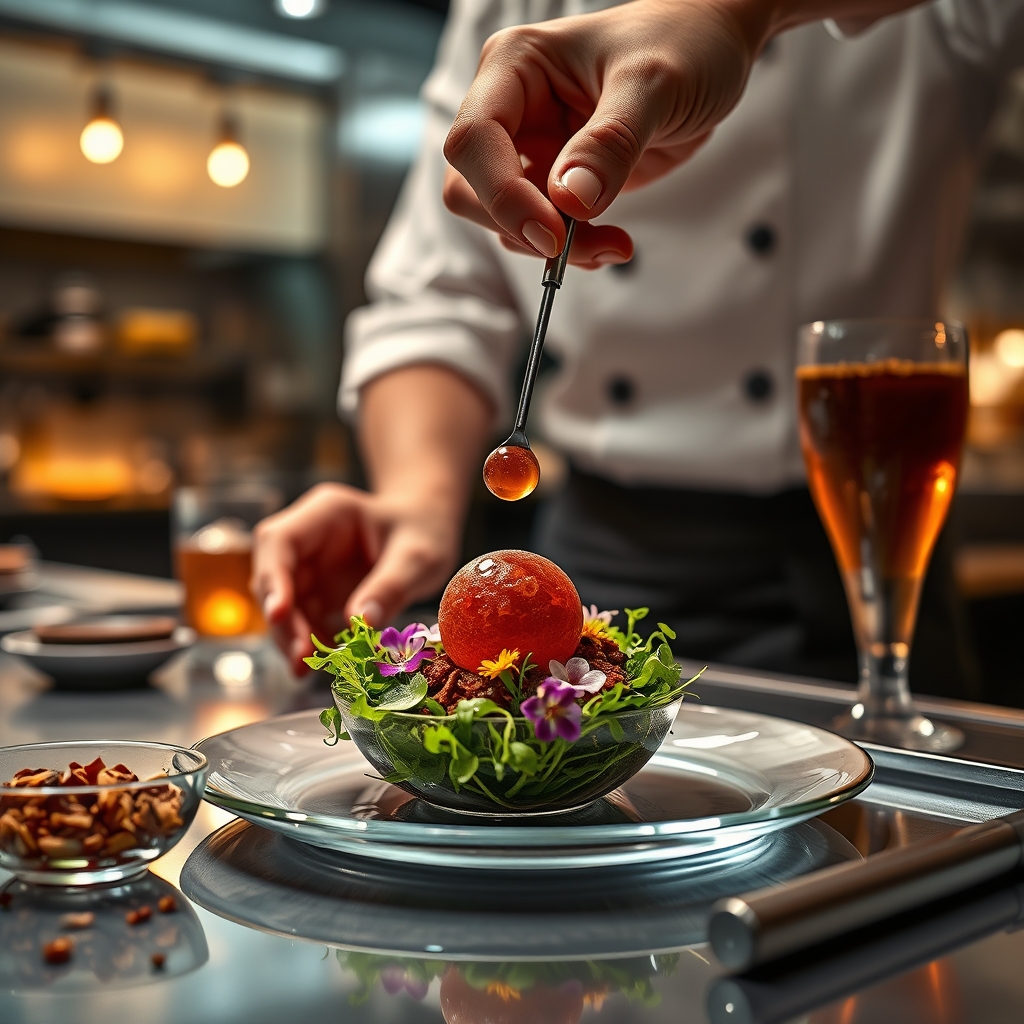
If smoked chili crisp represents the bold, unapologetic side of fusion cuisine, then molecular gastronomy is its cerebral counterpart. This discipline, which applies scientific principles to cooking, has given us everything from edible foams to spheres that burst with flavor. But beyond the gimmicks, molecular gastronomy is about precision—understanding how ingredients interact on a chemical level to create textures and flavors that are entirely new.
Take, for example, the humble microgreens salad bowl. On its own, it’s a vibrant, nutrient-packed dish. But when a chef uses molecular techniques to create a spherified dressing—where a liquid is encapsulated in a thin membrane that pops in your mouth—the salad transforms into an interactive experience. Or consider freeze-dried candy, which takes the crunch of traditional sweets to a whole new level by removing moisture without sacrificing flavor. These techniques aren’t just for show; they’re about enhancing the dining experience in ways that traditional cooking simply can’t.
The Role of Sustainability in Fusion’s Future
As exciting as these culinary innovations are, they don’t exist in a vacuum. The most forward-thinking chefs are also considering the environmental impact of their creations. Ingredients like algae-based proteins and upcycled food snacks are making their way into fusion dishes, proving that sustainability and flavor aren’t mutually exclusive. A dish that combines cell-cultured meat with a sauce made from regenerative agriculture foods isn’t just delicious—it’s a step toward a more responsible food system.
Even beverages are getting the fusion treatment with a sustainable twist. Botanical-infused waters and functional mushroom beverages are being paired with dishes to create a holistic dining experience. Imagine sipping on a non-alcoholic spirit infused with adaptogens while enjoying a dish that blends gourmet tinned fish with a fermented probiotic glaze. It’s a meal that nourishes the body, delights the senses, and treads lightly on the planet.
The Dining Experience Reimagined
What does all this mean for the future of dining? For one, it means that the line between fine dining and casual eats is blurring. A food truck serving zero-waste cooking tacos with a side of dehydrated fruit snacks can be just as innovative as a Michelin-starred restaurant plating a molecular gastronomy dessert. It also means that diners are becoming more adventurous, seeking out experiences that challenge their expectations and expand their palates.
Restaurants are responding by creating immersive environments where the food is just one part of the story. Pop-ups that focus on global fusion cuisine might feature live demonstrations of molecular techniques or workshops on how to make smoked chili crisp at home. The goal isn’t just to serve a meal but to create a memory—one that lingers long after the last bite.
The beauty of this culinary movement is that it’s not confined to restaurants. Home cooks are embracing fusion with the same enthusiasm, experimenting with adaptogenic coffee blends in their morning routines or whipping up microgreens salad bowls topped with algae-based proteins for lunch. The kitchen has become a laboratory, and every meal is an opportunity to explore the endless possibilities of flavor. As we continue to push the boundaries of what’s possible on a plate, one thing is clear: the future of food is bold, it’s boundaryless, and it’s more exciting than ever.