The Art of Culinary Cartography: How Luxury Hotels Map the Terroir of Their Regions Through Exquisite Dining
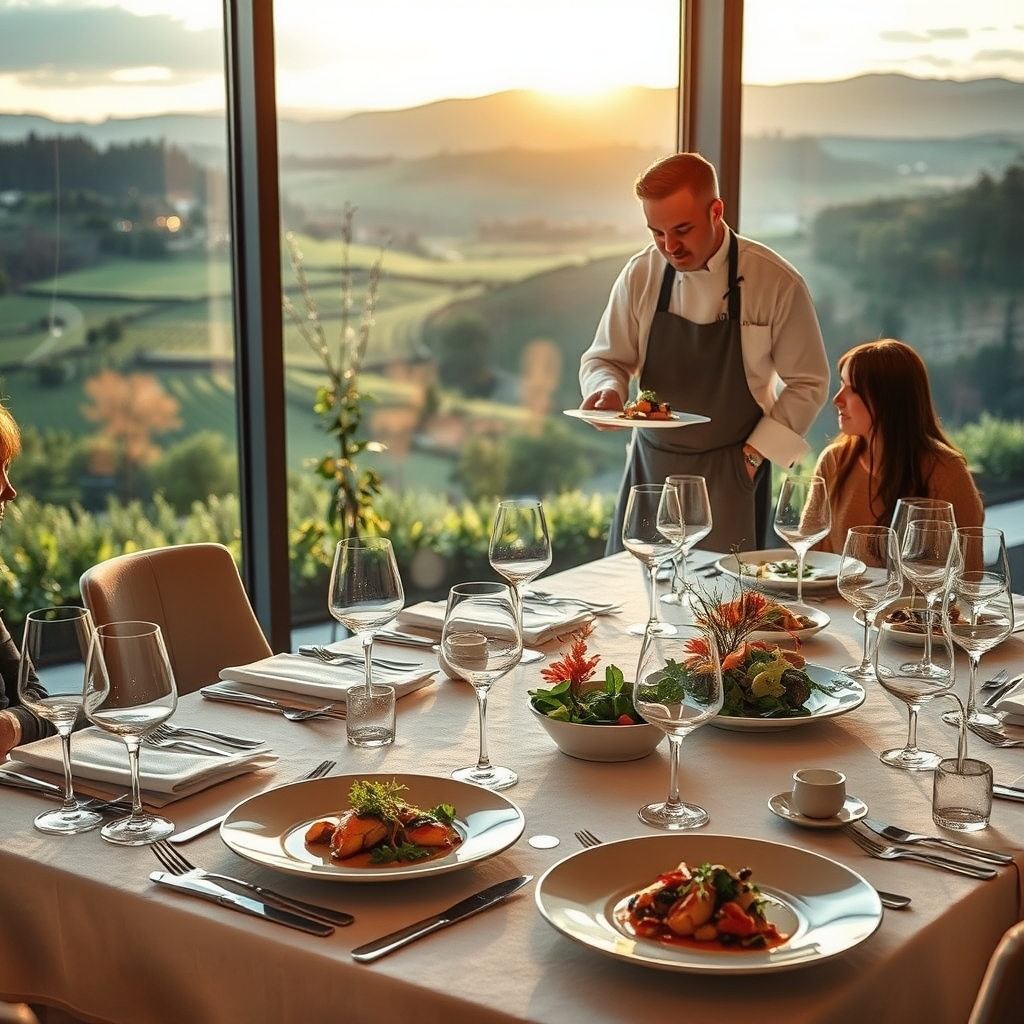
In the rarefied world of luxury hotel dining, a new culinary movement is emerging—one that transcends the boundaries of traditional gastronomy to create a profound connection between the plate and the land. This is the art of culinary cartography, where chefs act as explorers, mapping the terroir of their regions through meticulously crafted menus that tell the story of the soil, the sea, and the seasons. It’s a philosophy that elevates dining from mere sustenance to an immersive journey, where every bite is a discovery and every dish a chapter in a larger narrative.
The Terroir-Driven Menu: A Culinary Map of the Land
At the heart of this movement lies the concept of terroir—a French term that encapsulates the environmental factors influencing the character of food and wine. In luxury hotels, this idea has evolved beyond wine to encompass every element of the dining experience. Chefs are now curating menus that serve as culinary maps, tracing the contours of their surroundings with hyper-local ingredients that capture the essence of the region. From the wild herbs of the Tuscan hills to the pristine seafood of the Norwegian fjords, these dishes are a celebration of place, offering guests a taste of the land itself.
Take, for example, a boutique hotel nestled in the vineyards of Napa Valley, where the chef sources ingredients from within a 50-mile radius. The menu might feature heirloom tomatoes grown in the valley’s rich soil, paired with olive oil pressed from groves just down the road. Or consider a luxury resort in Bali, where the kitchen team forages for indigenous spices and tropical fruits, transforming them into dishes that evoke the island’s lush landscapes. These menus are not just collections of recipes; they are love letters to the land, written in the language of flavor.
The Role of the Modern Chef: Explorer, Storyteller, Alchemist
The modern chef in a luxury hotel is no longer confined to the kitchen. They are explorers, venturing into fields, forests, and markets to uncover the hidden gems of their region. They are storytellers, weaving the history and culture of the land into their dishes. And they are alchemists, transforming humble ingredients into culinary gold through skill and creativity. This multifaceted role is what sets terroir-driven dining apart, turning each meal into an experience that engages all the senses.
In some hotels, chefs even collaborate with local farmers, fishermen, and artisans to create a symbiotic relationship that benefits both the hotel and the community. This farm-to-table ethos is not just a trend; it’s a commitment to sustainability and authenticity. By sourcing ingredients locally, hotels reduce their carbon footprint while supporting small-scale producers. The result is a dining experience that is not only delicious but also deeply meaningful, fostering a connection between guests and the land they are visiting.
The Tasting Menu as a Journey Through Terroir
One of the most powerful ways luxury hotels bring terroir to life is through the tasting menu—a curated selection of dishes that takes diners on a journey through the region’s flavors. Unlike traditional menus, which offer a static list of options, a terroir-driven tasting menu is a dynamic exploration, changing with the seasons and the availability of ingredients. Each course is a revelation, a small but significant stop on a larger culinary map.
Imagine dining at a five-star hotel in Kyoto, where the tasting menu begins with a delicate amuse-bouche of pickled mountain vegetables, followed by a course of fresh river fish caught that morning. The next dish might feature wagyu beef raised in the nearby prefecture, paired with locally grown mushrooms and a drizzle of soy sauce aged in traditional wooden barrels. The meal concludes with a dessert of matcha-infused sweets, a nod to the region’s rich tea culture. Every bite is a testament to the chef’s ability to capture the essence of Kyoto’s terroir, offering guests a taste of the city’s soul.
The Rise of Destination Dining: Where Food Becomes the Experience
In an era where travel is increasingly about experiences rather than destinations, luxury hotels are leveraging their culinary offerings to create unforgettable moments. Destination dining is no longer just about visiting a famous restaurant; it’s about immersing oneself in the culture, history, and flavors of a place. Hotels are now designing entire experiences around their terroir-driven menus, from foraging excursions with the chef to private dinners in vineyards or on secluded beaches.
For instance, a luxury hotel in Tuscany might offer a “Day in the Life of a Tuscan Farmer” experience, where guests join the chef on a tour of local farms, olive groves, and cheese makers. The day culminates in a multi-course dinner featuring the ingredients gathered along the way, paired with wines from the region’s most celebrated vineyards. These experiences transform dining from a passive activity into an active exploration, deepening the guest’s connection to the destination.
The Future of Terroir-Driven Dining: Sustainability and Innovation
As the demand for authentic, sustainable dining experiences grows, luxury hotels are pushing the boundaries of terroir-driven cuisine. Innovations like zero-waste kitchens, vertical farming, and regenerative agriculture are becoming increasingly common, allowing hotels to source ingredients in ways that are both environmentally responsible and deeply flavorful. Chefs are also experimenting with ancient techniques, such as fermentation and preservation, to extend the life of seasonal ingredients and reduce food waste.
At the same time, technology is playing a role in enhancing the terroir-driven experience. Some hotels are using augmented reality to create interactive menus that tell the story of each ingredient, while others are leveraging data analytics to predict seasonal trends and optimize sourcing. These advancements ensure that terroir-driven dining remains at the forefront of culinary innovation, offering guests a dining experience that is as forward-thinking as it is rooted in tradition.
In the end, the art of culinary cartography is about more than just food. It’s about creating a sense of place, a connection to the land, and a deeper appreciation for the ingredients that make each region unique. For the discerning traveler, it’s an invitation to slow down, savor the moment, and let the flavors of the land guide them on a journey of discovery. Whether it’s a Michelin-starred tasting menu or a simple dish crafted from foraged herbs, terroir-driven dining is a reminder that the best meals are not just eaten—they are experienced.