The Unseen Craftsmanship Behind Luxury Hotel Rooftop Lounges: Where Hyper-Local Ingredients Meet Sky-High Gastronomy
In the world of luxury hospitality, rooftop lounges have transcended their role as mere venues for cocktails and skyline views. Today, they stand as culinary destinations in their own right, where the artistry of fine dining converges with the drama of urban landscapes. These elevated spaces are no longer just about the vista—they are about the experience, the ingredients, and the meticulous craftsmanship that transforms a meal into a memory. At the heart of this transformation lies a commitment to hyper-local sourcing, seasonal storytelling, and a fusion of global techniques with regional terroir.
The Renaissance of Rooftop Dining
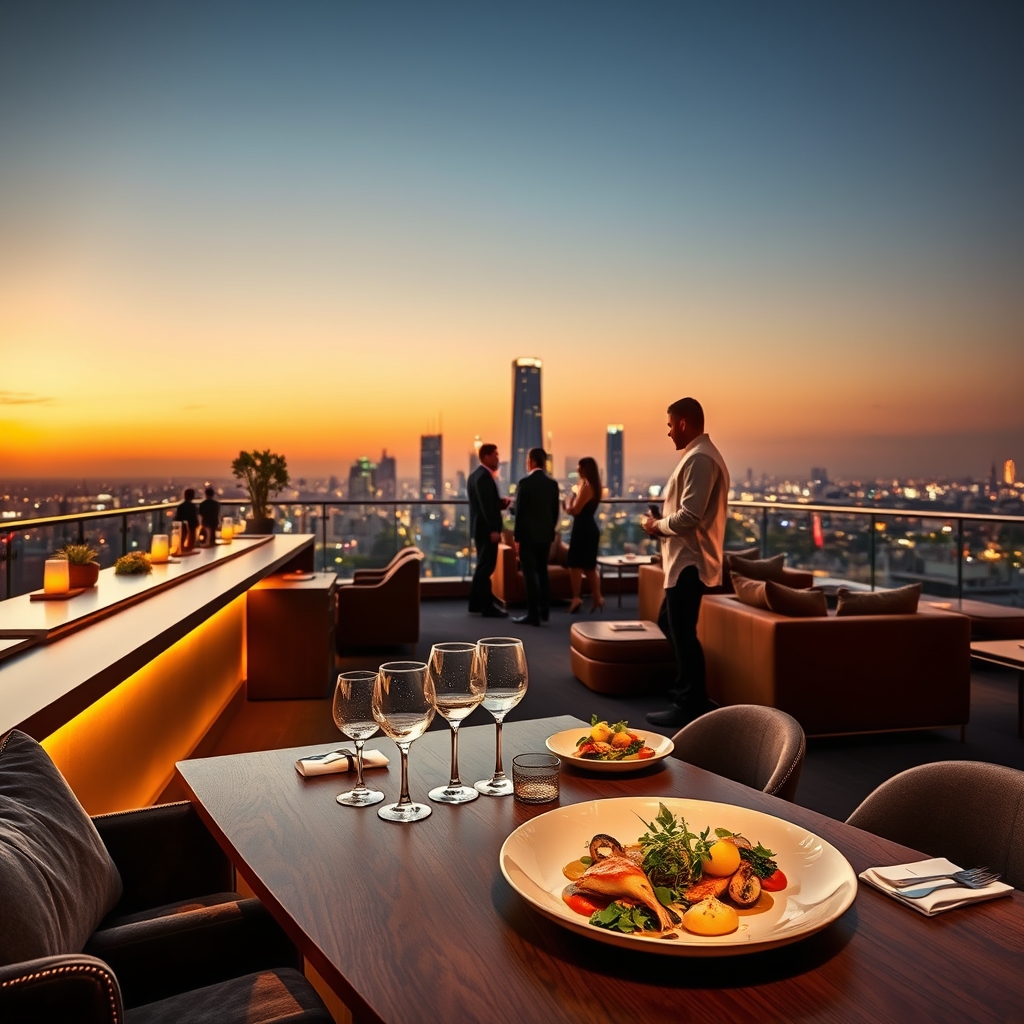
Rooftop lounges have undergone a quiet revolution, evolving from afterthoughts to the crown jewels of luxury hotels. The shift is driven by a demand for exclusivity, immersion, and culinary innovation. Guests no longer seek just a meal; they crave an experience that engages all the senses—from the golden hues of a sunset over the city to the delicate aroma of foraged herbs in a signature dish. Hotels have responded by elevating their rooftop offerings, turning them into stages for gastronomic theater where every detail, from the table settings to the wine pairings, is choreographed with precision.
This renaissance is not just about aesthetics. It reflects a deeper philosophical shift in luxury dining: the idea that food should be a reflection of place, time, and culture. Rooftop lounges, perched above the bustle of the streets, offer a unique vantage point—both literally and metaphorically—to celebrate the hyper-local. Here, ingredients sourced from nearby farms, fisheries, and artisanal producers take center stage, their flavors amplified by the creativity of chefs who see the city as both their pantry and their canvas.
The Hyper-Local Imperative
At the core of this movement is the hyper-local imperative, a commitment to sourcing ingredients from within a narrow radius of the hotel. This approach is not merely a trend; it is a response to the growing desire for authenticity and sustainability in fine dining. Hotels are forging partnerships with local farmers, fishermen, and foragers, creating a symbiotic relationship that benefits both the culinary team and the community. The result is a menu that changes with the seasons, offering guests a taste of the region’s fleeting bounty.
Consider the rooftop lounge at a boutique hotel in Tuscany, where the menu might feature hand-picked wild asparagus in spring, followed by heirloom tomatoes and basil in summer, and earthy porcini mushrooms in autumn. Each dish tells a story of the land, the people who cultivate it, and the season that shapes it. This level of specificity is what sets hyper-local dining apart from its farm-to-table predecessors. It is not just about proximity; it is about narrative, about capturing the essence of a place in a single bite.
The Art of Seasonal Storytelling
Seasonality is the backbone of hyper-local dining, and rooftop lounges are mastering the art of seasonal storytelling. Chefs are no longer bound by the constraints of global supply chains; instead, they embrace the ephemeral nature of ingredients, crafting menus that evolve with the calendar. A winter menu might feature root vegetables roasted to caramelized perfection, paired with game meats and rich reductions, while a summer offering could highlight delicate seafood, vibrant citrus, and edible flowers.
This approach requires a deep understanding of the local ecosystem, as well as a willingness to adapt and innovate. Chefs must be part botanist, part historian, and part artist, weaving together flavors that are both familiar and surprising. The result is a dining experience that feels intimate and personal, as if the menu were crafted exclusively for the guest. It is this sense of connection—to the land, the season, and the chef’s vision—that makes hyper-local rooftop dining so compelling.
The Fusion of Global Techniques and Local Terroir
While hyper-local sourcing is the foundation, the magic of rooftop lounges lies in their ability to blend global techniques with regional ingredients. Chefs are drawing inspiration from culinary traditions around the world, reimagining classic dishes through the lens of local terroir. A Japanese omakase-style tasting menu might feature locally caught fish, prepared with precision and served with foraged greens. A French-inspired dish could highlight artisanal cheeses from a nearby dairy, paired with house-made preserves and crusty bread.
This fusion of global and local is not about gimmicks or novelty. It is about respect—respect for the ingredients, the techniques, and the cultures that inspire them. It is about creating something new while honoring the traditions that came before. In the hands of a skilled chef, this approach results in dishes that are both innovative and deeply rooted in place. The rooftop lounge becomes a microcosm of the world, where flavors from across the globe converge in a single, unforgettable meal.
The Role of Sustainability in Sky-High Dining
Sustainability is no longer an afterthought in luxury dining; it is a guiding principle. Rooftop lounges are leading the charge, implementing zero-waste practices, reducing plastic use, and prioritizing ethical sourcing. Many hotels are even taking sustainability a step further by growing their own herbs, vegetables, and microgreens on-site, often in rooftop gardens that double as green spaces for guests to explore.
These efforts are not just about reducing the environmental footprint; they are about enhancing the guest experience. A dish made with ingredients grown just steps away from the table carries a story of care and intention. It is a reminder that luxury and sustainability are not mutually exclusive but rather two sides of the same coin. In the world of rooftop dining, the most exquisite experiences are those that leave the lightest touch on the planet.
The Future of Rooftop Lounges: A Canvas for Culinary Innovation
As the boundaries of luxury dining continue to expand, rooftop lounges are poised to play an even greater role in shaping the future of gastronomy. These spaces are no longer just about the view; they are about the journey—the journey of the ingredients, the chef, and the guest. They are about creating moments that linger long after the last bite, moments that remind us of the beauty of connection, of place, and of time.
The next generation of rooftop lounges will push the envelope further, incorporating technology, interactive dining experiences, and even more immersive storytelling. Imagine a meal where augmented reality enhances the presentation of each dish, or where guests can virtually meet the farmers who grew their food. The possibilities are endless, but the core philosophy remains the same: to create an experience that is as thoughtful as it is indulgent, as sustainable as it is luxurious. In the end, the true magic of rooftop dining lies not in the height of the building, but in the depth of the experience it offers.
As the sun sets over the city and the lights begin to twinkle below, there is something inherently magical about dining high above the world. It is a reminder that luxury is not just about opulence; it is about intention, about craftsmanship, and about the stories that unfold with every course. In the hands of visionary chefs and forward-thinking hotels, rooftop lounges are redefining what it means to dine in style, proving that the best meals are not just served—they are experienced.