
The Silent Evolution of Luxury Hotel Dining: Where Hyper-Local Ingredients Meet Michelin-Starred Innovation
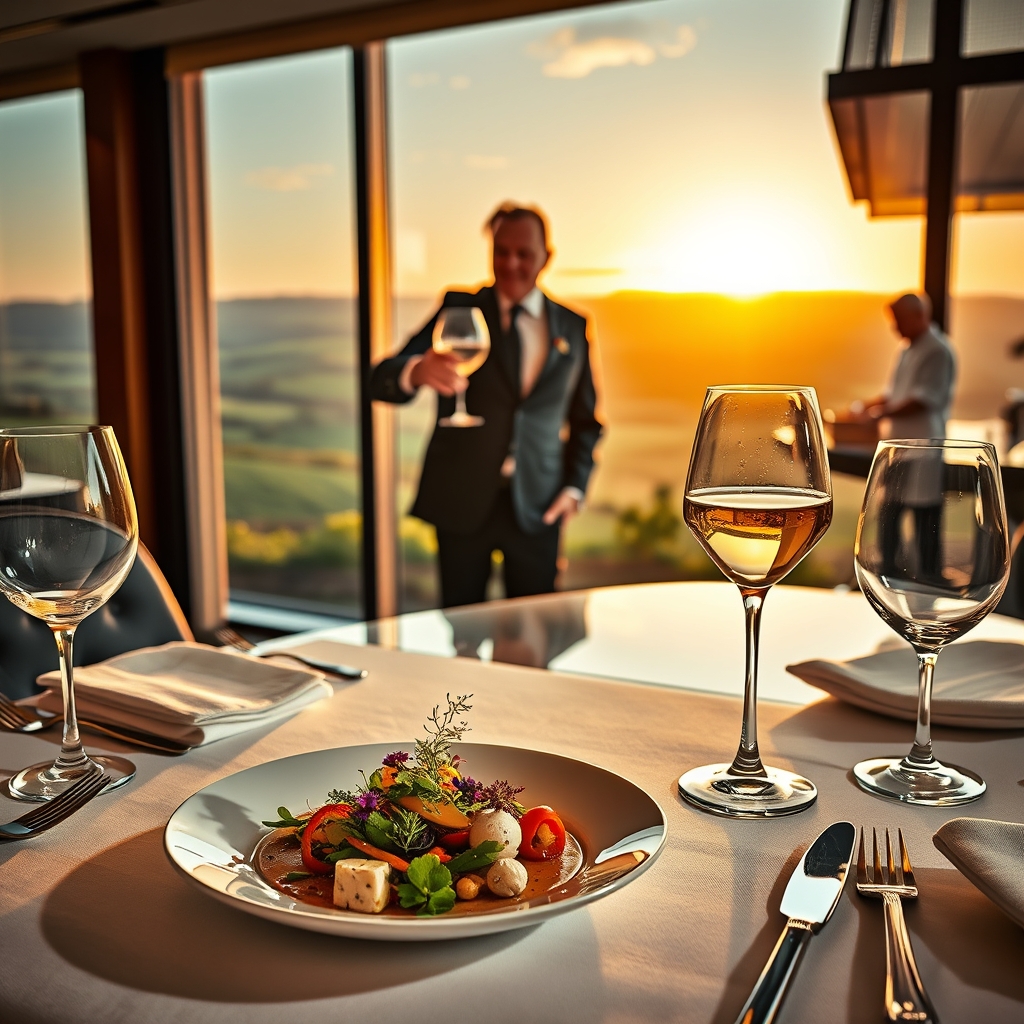
In the rarefied world of luxury hotel dining, a quiet revolution is unfolding—one that marries the precision of Michelin-starred technique with the soulful authenticity of hyper-local ingredients. No longer confined to the rigid traditions of classical fine dining, today’s elite hotel restaurants are redefining gourmet experiences by weaving regional narratives into every dish. The result is a culinary landscape where innovation thrives not in isolation, but in harmony with the land, the seasons, and the stories of the people who cultivate its bounty.
The Rise of the Hyper-Local Pantry
The most forward-thinking luxury hotels are now operating like modern-day culinary cartographers, mapping the terroir of their surroundings with meticulous care. In Napa Valley, a five-star resort sources heirloom tomatoes from a third-generation farmer whose family has tended the same plot since the 1920s. In Kyoto, a boutique ryokan collaborates with local foragers to harvest wild mountain vegetables that appear on its kaiseki menu for just three weeks each spring. These ingredients aren’t merely components of a dish; they are the dish’s very essence, carrying with them the history, climate, and craftsmanship of their origin.
This hyper-local approach extends beyond produce. Artisanal cheesemakers, heritage grain farmers, and small-batch producers of everything from vinegars to vanilla are becoming integral partners in the luxury dining experience. At a renowned hotel in Tuscany, the executive chef works directly with a nearby pecorino producer, adjusting the aging process of the cheese to complement the seasonal truffle harvest. The result is a symphony of flavors that could never be replicated elsewhere—because it is, quite literally, of the place.
The Michelin-Starred Alchemy of Terroir
What happens when the exacting standards of Michelin-starred cuisine intersect with the unpredictability of hyper-local sourcing? A new kind of culinary magic emerges—one that demands both technical mastery and creative adaptability. Chefs in these kitchens must be as skilled in negotiating with local farmers as they are in executing a perfect sous-vide. They must understand the science of fermentation as deeply as they do the art of plating, because when your menu is dictated by what’s available within a 50-mile radius, innovation becomes a necessity rather than a luxury.
Consider the tasting menu at a celebrated hotel in Copenhagen, where the chef’s team begins each day with a visit to the city’s fish market. The catch—whether it’s langoustines, herring, or a rare deep-sea species—determines the evening’s menu. This fluidity requires a kitchen that can pivot from classic French techniques to Nordic preservation methods in an instant. Yet, it’s precisely this adaptability that allows the restaurant to achieve a level of freshness and authenticity that static menus simply cannot match.
The Art of Culinary Storytelling
Today’s luxury hotel diners are no longer satisfied with mere sustenance; they crave an experience that engages all the senses and lingers in the memory long after the last bite. This is where the art of culinary storytelling comes into play. At a boutique hotel in Oaxaca, each course of the tasting menu is accompanied by a handwritten note detailing the provenance of its key ingredients. A mole negro, for instance, might trace its lineage to a family recipe passed down through generations, with each chili and spice sourced from a different village in the region. The dish becomes not just a meal, but a journey through the cultural and agricultural landscape of Mexico.
This narrative-driven approach is particularly powerful in destination dining. A luxury resort in Bali, for example, offers a “Garden to Table” experience where guests are invited to harvest their own herbs and vegetables before watching the chef transform them into a multi-course meal. The act of participation deepens the connection to the food, turning a simple dinner into an unforgettable chapter of the travel experience. It’s a far cry from the impersonal buffets and generic room service of yesteryear, where the only story being told was one of convenience.
The Sustainable Imperative
Hyper-local sourcing isn’t just a trend—it’s a response to the growing demand for sustainability in luxury dining. Discerning travelers are increasingly aware of the environmental and ethical implications of their food choices, and they expect the hotels they patronize to share their values. By sourcing ingredients locally, hotels reduce their carbon footprint, support regional economies, and ensure a level of transparency that global supply chains simply cannot provide.
But sustainability in luxury hotel dining goes beyond sourcing. It’s about rethinking every aspect of the dining experience, from zero-waste cooking techniques to partnerships with regenerative farms. At a pioneering hotel in California, the restaurant’s composting program diverts 90% of its waste from landfills, while its water conservation efforts have reduced usage by 30%. Even the wine list is curated with sustainability in mind, featuring bottles from vineyards that prioritize biodiversity and soil health. These initiatives aren’t just good for the planet—they’re good for business, as they resonate deeply with a new generation of luxury travelers who see sustainability as a non-negotiable aspect of indulgence.
The Future of Fine Dining: A Return to Roots
As luxury hotel dining continues to evolve, one thing is clear: the most exciting innovations are happening at the intersection of tradition and modernity. The chefs leading this movement are those who understand that the future of fine dining isn’t about reinventing the wheel, but about rediscovering the wisdom of the past and applying it with contemporary precision. They are the ones who recognize that the most luxurious ingredient of all is authenticity—that rare and fleeting quality that can’t be imported, replicated, or mass-produced.
In a world where global flavors are just a plane ride away, there’s something profoundly luxurious about sitting down to a meal that could only exist in that exact moment, in that exact place. It’s a reminder that true indulgence isn’t about excess, but about connection—to the land, to the people who nurture it, and to the timeless rituals of gathering around a table. The next time you find yourself at a luxury hotel restaurant, take a moment to savor not just the flavors on your plate, but the story behind them. Because in the end, the most memorable meals aren’t just eaten; they’re experienced.