The Intuitive Kitchen: How Mindful Food Preparation and Real-Time Analytics Are Crafting the Future of Home Cooking
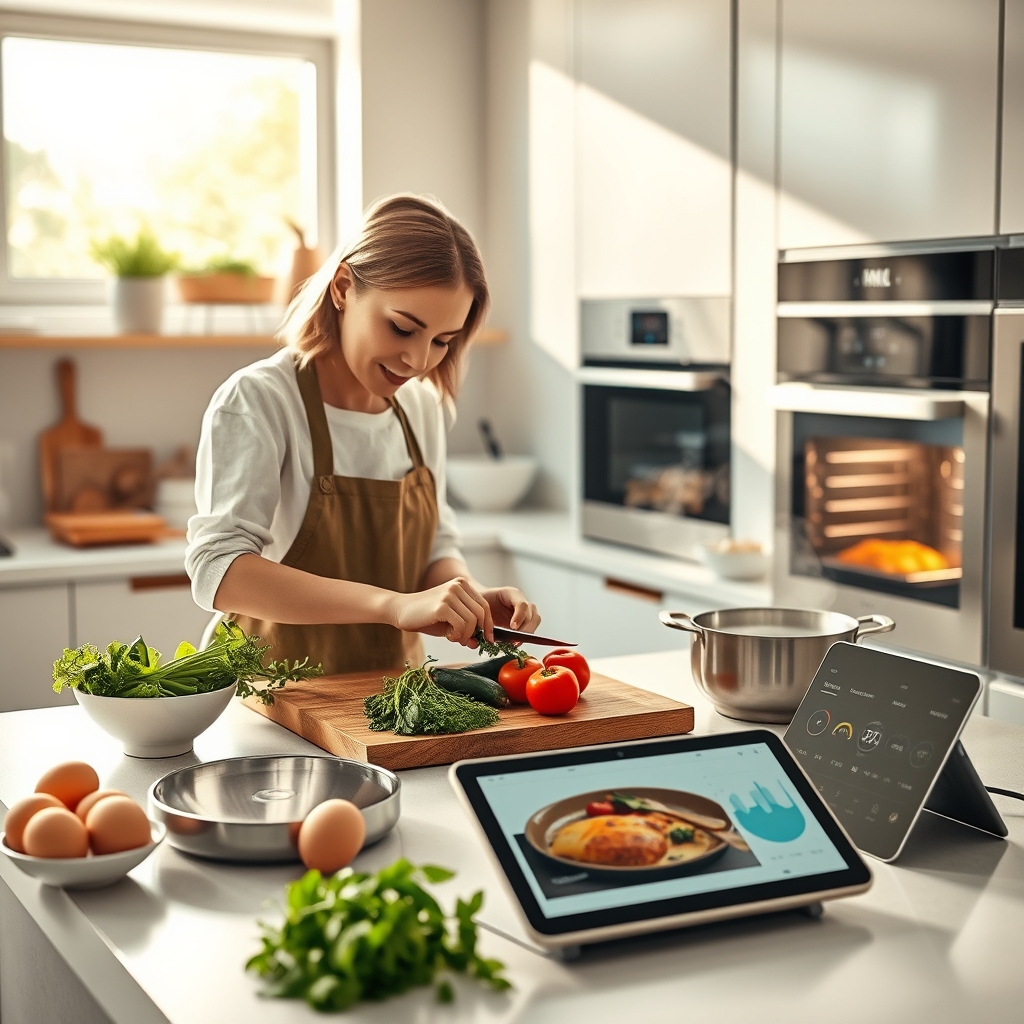
The modern kitchen is no longer just a place to prepare meals; it has evolved into a dynamic space where technology, tradition, and mindfulness converge to create a truly intuitive culinary experience. As home cooks seek deeper connections with their food, the integration of mindful food preparation and real-time cooking analytics is transforming the way we approach cooking, making it more personal, efficient, and enriching than ever before.
The Rise of Mindful Food Preparation
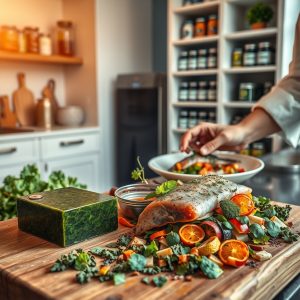
Mindful food preparation is more than a trend—it’s a philosophy that encourages cooks to engage fully with the process of creating a meal. This approach emphasizes presence, intentionality, and a deep appreciation for the ingredients and techniques involved. By slowing down and focusing on each step, from chopping vegetables to simmering sauces, cooks can cultivate a greater sense of connection to their food, leading to more satisfying and flavorful results.
At the heart of mindful cooking is the idea of sensory awareness. Engaging all five senses—sight, sound, touch, smell, and taste—allows cooks to make more informed decisions in the kitchen. For example, the sound of sizzling garlic can indicate when it’s perfectly golden, while the aroma of fresh herbs can guide the balance of flavors in a dish. This heightened awareness not only enhances the cooking experience but also fosters a deeper understanding of how ingredients interact, leading to more creative and confident culinary choices.
The Role of Personalized Flavor Profiling
One of the most exciting developments in mindful cooking is the concept of personalized flavor profiling. This technique involves tailoring dishes to individual preferences by analyzing how different flavors and textures resonate with a person’s unique palate. By keeping a flavor journal or using digital tools to track preferences, cooks can develop a deeper understanding of their own tastes and experiment with new combinations that align with their culinary identity.
Personalized flavor profiling also extends to dietary needs and health goals. For instance, someone focusing on reducing sodium might explore the use of umami-rich ingredients like mushrooms or miso to enhance flavor without relying on salt. Similarly, those with a sweet tooth can experiment with natural sweeteners like dates or honey to create balanced desserts. This approach not only makes cooking more enjoyable but also empowers individuals to take control of their nutritional intake in a way that feels authentic and sustainable.
Real-Time Analytics: The Game-Changer in Home Cooking
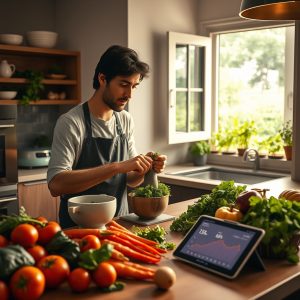
While mindfulness brings a human touch to the kitchen, real-time cooking analytics are adding a layer of precision that was once reserved for professional chefs. Smart kitchen tools, such as connected scales, thermometers, and even AI-powered cooking assistants, provide instant feedback on everything from ingredient measurements to cooking temperatures. This data-driven approach ensures consistency and reduces the guesswork that often leads to culinary mishaps.
For example, a smart oven equipped with real-time analytics can adjust cooking times and temperatures based on the specific dish being prepared, ensuring that a roast is perfectly medium-rare or that a soufflé rises just right. Similarly, apps that track cooking progress can alert users when it’s time to stir, flip, or season, freeing them to focus on other tasks without the fear of overcooking or burning their meal. This fusion of technology and tradition is making it easier than ever for home cooks to achieve professional-level results.
Efficient Kitchen Design for the Modern Cook
The integration of mindful cooking and real-time analytics has also influenced the way kitchens are designed. Modern kitchen layouts are increasingly focused on efficiency, with ergonomic workspaces that minimize unnecessary movement and maximize functionality. For instance, the concept of the “work triangle”—where the sink, stove, and refrigerator are positioned in a triangular layout—has been refined to include smart storage solutions and multi-functional appliances that streamline the cooking process.
In addition to physical design, the rise of modular kitchen tools has made it easier for cooks to adapt their space to different tasks. From adjustable cutting boards to multi-cookers that can sauté, steam, and slow-cook, these innovations allow for greater flexibility and creativity in the kitchen. The result is a space that not only looks beautiful but also supports the cook’s workflow, making the entire process more enjoyable and less stressful.
The Future of Intuitive Culinary Experiences
As technology continues to advance, the possibilities for intuitive culinary experiences are expanding. Imagine a kitchen where your appliances learn your preferences over time, suggesting recipes based on your flavor profile and even adjusting cooking methods to suit your mood. Or a space where augmented reality overlays guide you through complex techniques, providing step-by-step instructions without the need for a screen. These innovations are not far off, and they promise to make cooking more accessible and enjoyable for everyone, regardless of skill level.
Yet, even as technology plays a larger role, the essence of cooking remains deeply human. The joy of creating something from scratch, the satisfaction of sharing a meal with loved ones, and the connection to cultural traditions are all aspects of cooking that cannot be replicated by machines. The future of the kitchen lies in striking a balance between these timeless elements and the cutting-edge tools that enhance them, creating a space where intuition and innovation coexist harmoniously.
The kitchen of tomorrow is not just a place to cook—it’s a sanctuary where mindful practices and real-time insights come together to create meals that nourish both the body and the soul. As we continue to explore the intersection of technology and tradition, one thing is clear: the art of cooking is evolving, and those who embrace this evolution will find themselves at the forefront of a culinary revolution that is as enriching as it is delicious.