The New Alchemy of Snacking: How Freeze-Dried Candy, Upcycled Treats, and Algae-Based Bites Are Redefining Guilt-Free Indulgence
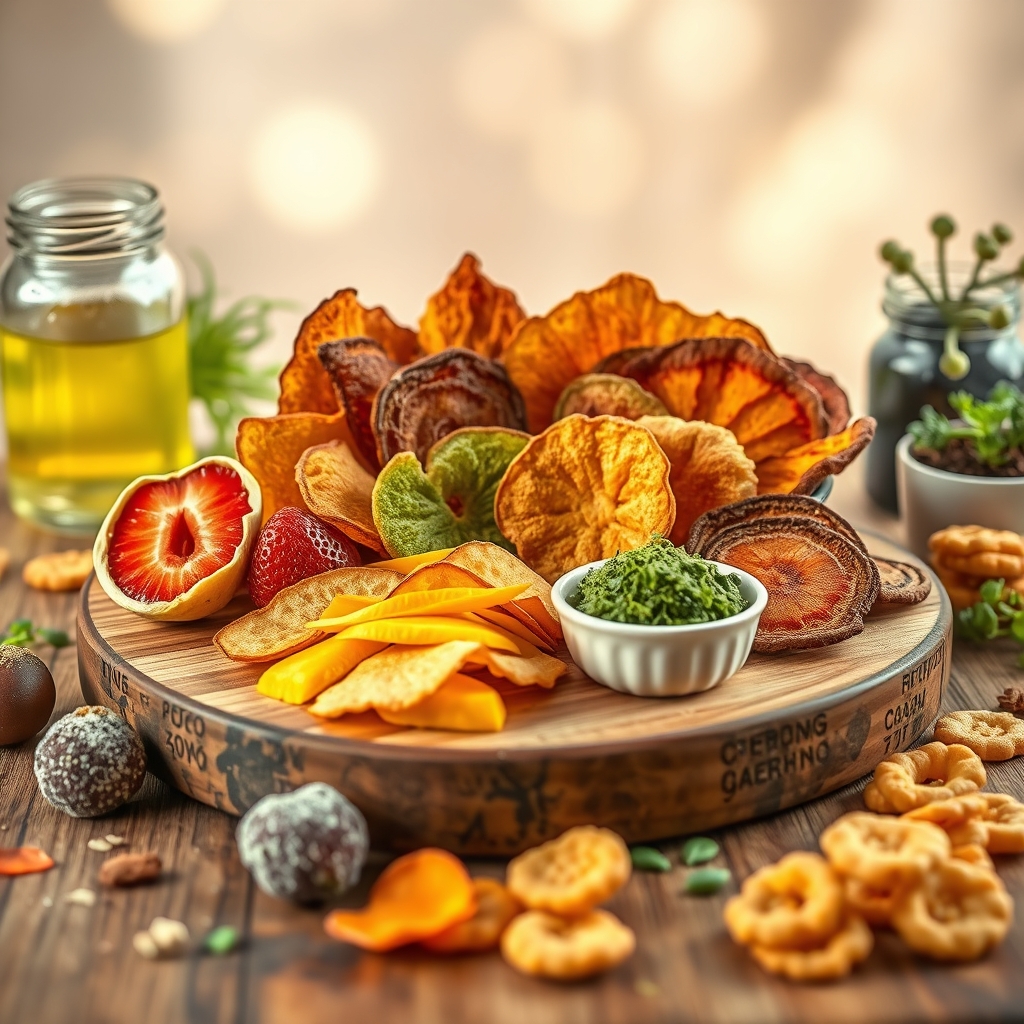
The modern snack aisle is undergoing a quiet revolution, one where crunch meets conscience and flavor dances with sustainability. No longer confined to the realm of empty calories and fleeting satisfaction, today’s most innovative snacks are rewriting the rules of indulgence. They’re crafted from ingredients once discarded, infused with functional benefits, and designed to deliver a sensory experience that lingers long after the last bite. This isn’t just snacking—it’s a culinary movement, where every morsel tells a story of creativity, responsibility, and bold experimentation.
The Sweet Science of Freeze-Dried Candy
Imagine biting into a strawberry that explodes with intensity, its flavor concentrated into a delicate, airy crunch. Or savoring a piece of chocolate that melts on your tongue like a cloud, its richness amplified by the absence of moisture. Freeze-dried candy is turning these fantasies into reality, transforming familiar treats into ethereal, shelf-stable delights. The process, which involves freezing the candy and then removing its water content in a vacuum, preserves the fruit’s natural sugars and flavors while eliminating the need for artificial preservatives. The result? A snack that’s as vibrant in taste as it is in texture, with a shelf life that defies convention.
Brands like Crispy Green and Natierra have pioneered this space, offering everything from freeze-dried mango slices to chocolate-covered bananas. But the innovation doesn’t stop at fruit. Adventurous confectioners are experimenting with freeze-dried marshmallows, gummy bears, and even ice cream, creating a new category of candy that’s as playful as it is practical. For those who crave the nostalgia of childhood sweets but demand the purity of whole-food ingredients, freeze-dried candy is a revelation—a guilt-free indulgence that doesn’t compromise on joy.
Upcycled Snacks: Where Waste Becomes Flavor
What if the key to the next great snack wasn’t found in a lab or a distant farm, but in the overlooked byproducts of food production? Upcycled snacks are proving that waste isn’t just a problem to solve—it’s an opportunity to innovate. From spent grain flour made from brewery leftovers to fruit jerky crafted from imperfect produce, these snacks are turning would-be waste into crave-worthy bites. The Upcycled Food Association estimates that upcycling could prevent nearly 1.3 billion tons of food waste annually, making it one of the most impactful trends in sustainable eating.
Take ReGrained, for example, which transforms the spent grain from beer brewing into nutrient-rich snack bars. Or Pulp Pantry, which upcycles the fiber-rich pulp left over from cold-pressed juice into crispy, veggie-packed chips. Even major brands are getting in on the action: Barnana turns overripe bananas into chewy, potassium-packed snacks, while Rind rescues fruit peels—often discarded for their tough texture—and transforms them into tangy, sun-dried crisps. These snacks don’t just taste good; they do good, offering a delicious way to combat food waste without sacrificing flavor or texture.
The Rise of Algae-Based Proteins: A Snack for the Future
Algae might not be the first ingredient that comes to mind when you think of snacks, but this microscopic powerhouse is poised to redefine the category. Packed with protein, omega-3 fatty acids, and a host of vitamins and minerals, algae is one of the most nutrient-dense foods on the planet. And thanks to advances in food technology, it’s now being incorporated into everything from crispy chips to savory crackers, offering a sustainable alternative to traditional protein sources like soy or whey.
Brands like Sophie’s Bionutrients and New Wave Foods are leading the charge, using algae to create plant-based seafood alternatives that mimic the taste and texture of shrimp or crab. Meanwhile, Solar Foods is harnessing algae’s potential to produce a protein powder that could one day replace animal-based ingredients in snacks and beyond. The environmental benefits are staggering: algae requires minimal land and water to grow, and it absorbs carbon dioxide as it flourishes, making it a carbon-negative crop. For snack lovers who want to reduce their environmental footprint without giving up on taste or nutrition, algae-based bites are a game-changer.
The Functional Snacking Revolution
Snacking isn’t just about satisfying hunger anymore—it’s about fueling the body and mind. The rise of functional snacks, infused with adaptogens, probiotics, and other bioactive ingredients, is blurring the line between indulgence and wellness. These aren’t your average chips or crackers; they’re designed to deliver targeted benefits, whether it’s a boost of energy, a dose of calm, or a hit of gut-friendly bacteria.
Consider Moodbeli, a brand that infuses its snacks with adaptogens like ashwagandha and reishi mushroom to support stress relief. Or Poppi, a prebiotic soda that doubles as a gut-health elixir, thanks to its blend of apple cider vinegar and inulin. Even traditional snacks are getting a functional makeover: Hippeas offers chickpea puffs with added turmeric for anti-inflammatory benefits, while Biena’s roasted chickpeas pack a protein punch with every crunch. These snacks prove that eating well doesn’t have to mean sacrificing pleasure—it can enhance it.
The Art of Zero-Waste Snacking
Zero-waste cooking has long been celebrated in the world of fine dining, but its principles are now making their way into the snack aisle. The idea is simple: use every part of an ingredient, from root to stem, to create snacks that leave no trace behind. This approach not only reduces waste but also unlocks new flavors and textures, turning what was once discarded into the star of the show.
Take Broccoli Tots, a snack made from the often-discarded stems of broccoli, blended with potatoes and spices to create a crispy, bite-sized treat. Or Watermelon Rind Pickles, a tangy snack that transforms the tough outer layer of a watermelon into a crunchy, probiotic-rich delight. Even the peels of citrus fruits are getting a second life, dried and candied into sweet, chewy bites. Zero-waste snacking isn’t just about sustainability—it’s about reimagining what’s possible in the kitchen, one peel, stem, and rind at a time.
As the boundaries of snacking continue to expand, one thing is clear: the future of munching is as much about ethics as it is about flavor. Whether it’s the ethereal crunch of freeze-dried candy, the resourceful ingenuity of upcycled treats, or the nutritional prowess of algae-based bites, today’s snacks are proving that indulgence and responsibility can go hand in hand. The next time you reach for a bag of chips or a handful of candy, consider this: the most exciting snacks aren’t just satisfying your cravings—they’re shaping the future of food, one bite at a time.