The Conscious Kitchen: How Mindful Food Preparation and Real-Time Analytics Are Cultivating a New Era of Home Cooking
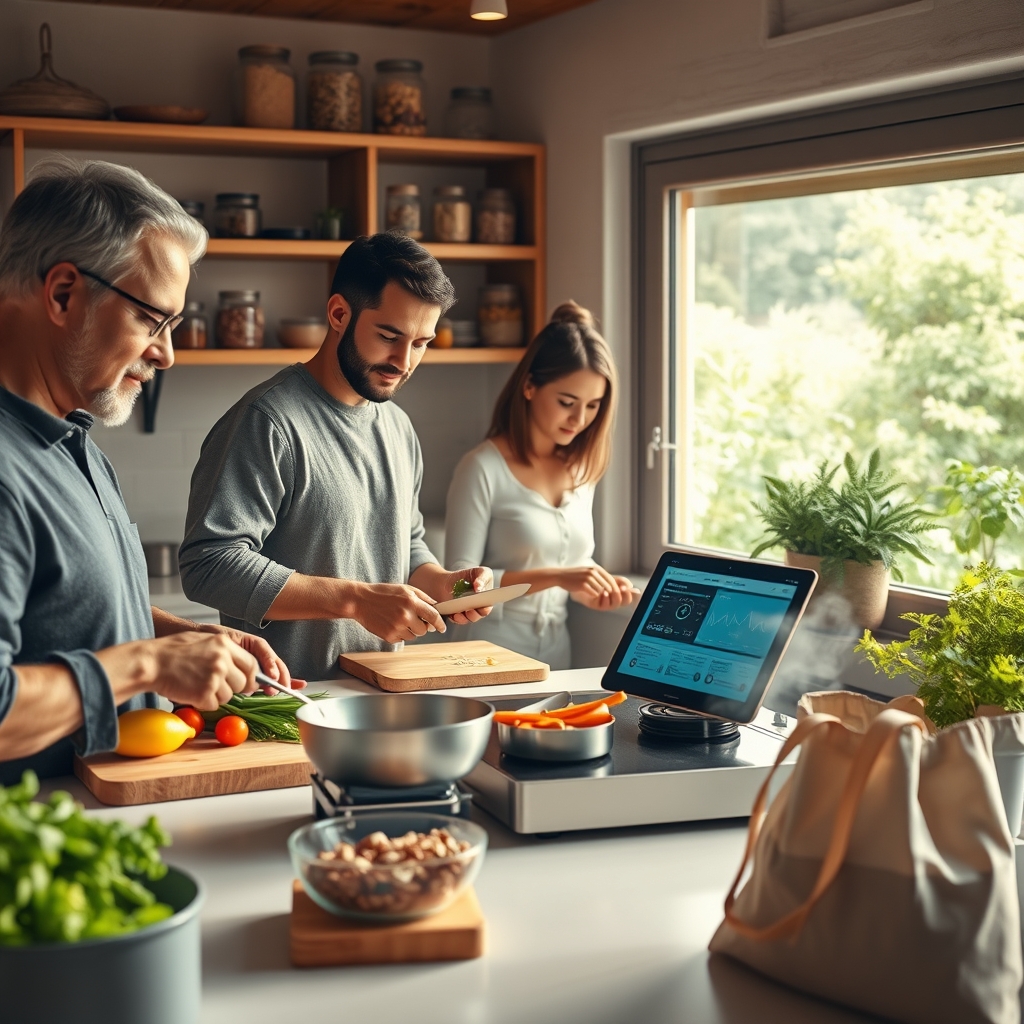
The modern kitchen is no longer just a place to prepare meals; it has evolved into a dynamic space where mindfulness meets technology, and tradition intertwines with innovation. As home cooks seek deeper connections with their food, a movement is emerging that emphasizes mindful food preparation and real-time cooking analytics. This shift is not merely about efficiency or precision but about fostering a more intentional, sensory-rich, and sustainable approach to cooking. The conscious kitchen is where every chop, stir, and simmer becomes an opportunity to engage with food on a profound level.
The Philosophy of Mindful Food Preparation
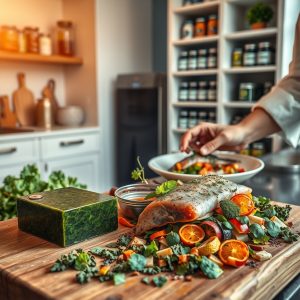
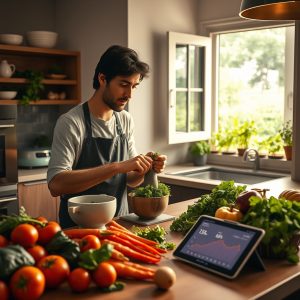
Mindful food preparation is rooted in the idea of being fully present during the cooking process. It encourages cooks to slow down, observe, and appreciate the textures, aromas, and flavors of ingredients as they transform. This practice draws from ancient culinary traditions, where cooking was often a meditative act, but it also aligns with contemporary values of sustainability and well-being. By focusing on the sensory experience—feeling the weight of a knife in hand, listening to the sizzle of garlic in a pan, or inhaling the earthy scent of fresh herbs—cooks can cultivate a deeper appreciation for the food they create.
Research suggests that mindful cooking can reduce stress, enhance creativity, and even improve digestion. When we cook with intention, we are more likely to make healthier choices, such as opting for whole, unprocessed ingredients and minimizing food waste. This approach also fosters a stronger connection to the origins of our food, encouraging us to consider the journey of ingredients from farm to table. In a world where convenience often trumps consciousness, mindful food preparation offers a way to reclaim the joy and significance of cooking.
The Role of Real-Time Analytics in the Conscious Kitchen
While mindfulness emphasizes the human experience, technology is playing an increasingly vital role in shaping the conscious kitchen. Real-time cooking analytics are transforming how home cooks approach their craft by providing instant feedback and data-driven insights. Smart kitchen tools, such as connected scales, temperature probes, and AI-powered cooking assistants, can monitor everything from ingredient ratios to cooking times, ensuring precision without sacrificing creativity. These tools don’t replace intuition; instead, they enhance it by offering a layer of objective guidance that complements the cook’s instincts.
For example, a smart oven equipped with real-time analytics can adjust heat levels dynamically to prevent overcooking, while a connected app might suggest complementary flavors based on the ingredients at hand. This fusion of technology and tradition allows cooks to experiment with confidence, knowing they have a safety net of data to support their culinary explorations. Moreover, real-time analytics can help track nutritional information, making it easier to align meals with dietary goals or health-conscious lifestyles. The result is a kitchen that is both intuitive and informed, where technology serves as a partner rather than a replacement.
Sustainable Ingredient Sourcing and the Conscious Cook
A key pillar of the conscious kitchen is sustainable ingredient sourcing. Mindful cooks are increasingly prioritizing ingredients that are locally grown, ethically produced, and environmentally friendly. This shift is driven by a growing awareness of the impact our food choices have on the planet, from carbon footprints to biodiversity. By sourcing ingredients sustainably, home cooks can reduce their environmental footprint while supporting local farmers and producers who share their values.
Technology is also playing a role in this movement. Apps and platforms now make it easier to find farmers’ markets, community-supported agriculture (CSA) programs, and even urban gardens where fresh, seasonal produce is readily available. Some tools even provide transparency into the supply chain, allowing consumers to trace the origins of their ingredients and verify their sustainability credentials. When combined with mindful preparation, sustainable sourcing transforms cooking into an act of environmental stewardship, where every meal becomes an opportunity to nourish both body and planet.
Personalized Flavor Profiling: Tailoring Taste to the Individual
Another exciting development in the conscious kitchen is the rise of personalized flavor profiling. This approach recognizes that taste is highly subjective and influenced by factors such as genetics, cultural background, and personal preferences. By leveraging data and sensory techniques, cooks can now create flavor profiles tailored to their unique palates or those of their guests. This might involve using apps to log flavor preferences, experimenting with adaptive recipes that adjust based on feedback, or even incorporating AI-driven tools that suggest ingredient pairings based on past choices.
Personalized flavor profiling is not just about catering to individual tastes; it’s also about expanding culinary horizons. By understanding the science behind flavor—such as how umami enhances savory dishes or how acidity can balance richness—cooks can experiment with new combinations and techniques. This approach encourages creativity while ensuring that meals are always satisfying and enjoyable. It’s a reminder that cooking is both an art and a science, where intuition and data work hand in hand to create something truly unique.
Interactive Kitchen Workshops: Learning Through Experience
The conscious kitchen is also a space for learning and collaboration. Interactive kitchen workshops are gaining popularity as a way to deepen culinary skills while fostering a sense of community. These workshops often blend hands-on cooking with expert guidance, allowing participants to learn techniques, explore new ingredients, and share ideas with like-minded individuals. Whether it’s a class on fermenting vegetables, a session on plant-based cooking, or a workshop on sustainable seafood, these experiences provide a platform for growth and connection.
Technology has expanded the reach of these workshops, making them accessible to a global audience through virtual platforms. Online cooking classes, live-streamed demonstrations, and interactive apps allow cooks to learn from chefs and experts around the world, all from the comfort of their own kitchens. This democratization of culinary education is empowering home cooks to take their skills to the next level, whether they’re beginners or seasoned enthusiasts. The conscious kitchen is not just about cooking for oneself; it’s about sharing knowledge, inspiring others, and building a community around the love of food.
The conscious kitchen represents a harmonious blend of mindfulness, technology, and sustainability, where every meal is an opportunity to connect with food on a deeper level. By embracing mindful food preparation, leveraging real-time analytics, sourcing ingredients sustainably, and personalizing flavors, home cooks can transform their kitchens into spaces of creativity, intention, and joy. This approach doesn’t just redefine how we cook; it redefines how we live, one thoughtful bite at a time. As we continue to explore the possibilities of the conscious kitchen, we are not just nourishing our bodies—we are nourishing our souls, our communities, and the planet we call home.